Recipes Using Sourdough Discard
Sourdough discard, often overlooked, can be a versatile and flavorful addition to various recipes. Here are some creative ways to use up your discard and add a unique twist to everyday dishes:
1. Sourdough Pancakes or Waffles: Transform your breakfast routine with sourdough pancakes or waffles. Mix your discard with flour, eggs, milk, and a bit of sugar and baking powder to create a fluffy and tangy batter. The natural fermentation of the discard adds a delightful depth of flavor that complements maple syrup and fresh fruits.
2. Sourdough Crackers: For a savory snack, try making sourdough crackers. Combine discard with olive oil, salt, and your choice of herbs or spices like rosemary or cayenne pepper. Spread the admixture thinly on a baking distance and singe until crisp.
These crackers are perfect for cheese platters or as a standalone snack.
3. Sourdough Pizza Dough: Elevate your homemade pizza with a sourdough base. Use discard in your pizza dough recipe to add a subtle tang and improve the texture of the crust. Top with your favorite ingredients for a gourmet pizza night at home.
4. Sourdough Muffins: Incorporate discard into muffin batter for a tender, tangy treat. Mix it with ingredients like bananas, blueberries, or chocolate chips for moist muffins with a complex flavor profile. Sourdough discard helps to tenderize the gluten, resulting in soft, delectable baked goods.
5. Sourdough Flatbreads: Create quick and easy flatbreads using sourdough discard. Combine the discard with flour, water, and a pinch of salt, and pan-fry in olive oil. Serve these flatbreads with dips like hummus or baba ganoush for a delicious appetizer or side dish. Sourdough Discard Uses.
By incorporating sourdough discard into these recipes, you not only reduce waste but also enhance the flavor and texture of your meals, making everyday dishes a little more special.
Can You Make Bread with Sourdough Discard?
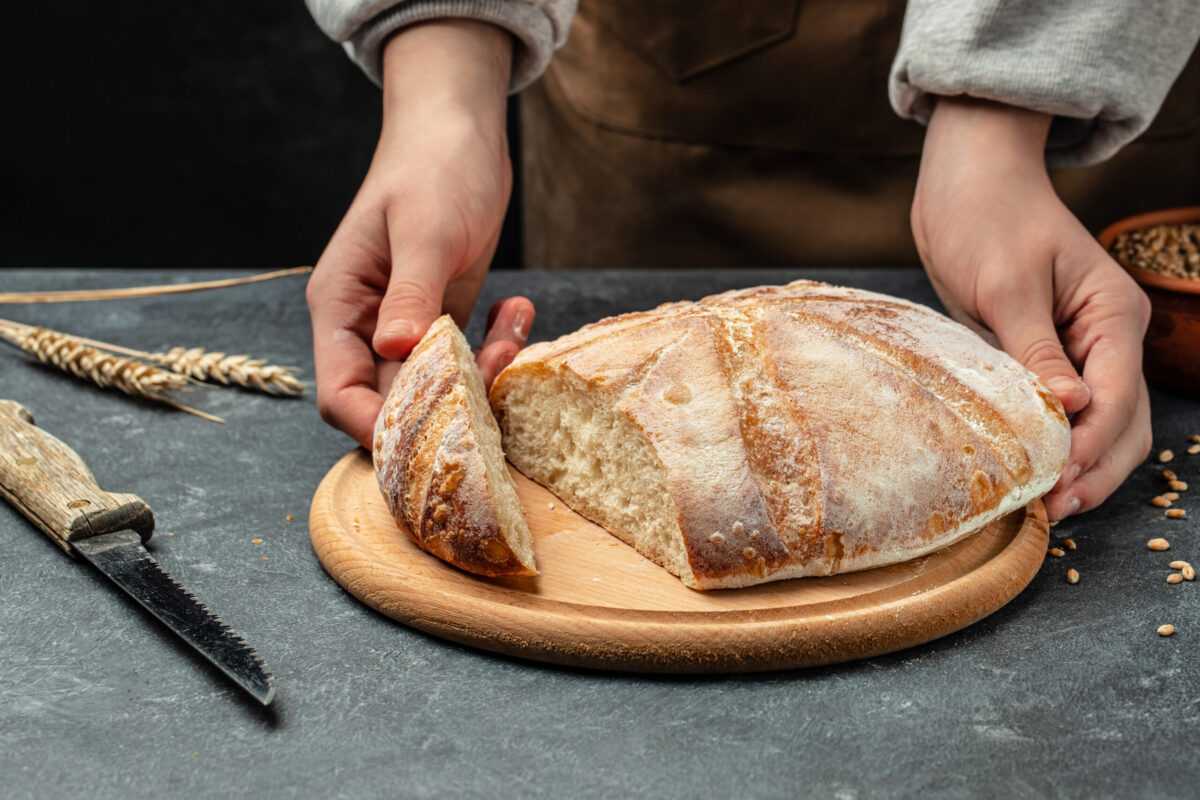
Using sourdough discard to make bread is indeed possible, though it comes with some nuances that affect the final product. Sourdough discard, being less active than fresh starter, cannot solely leaven a loaf of bread to the same degree as fresh, fully active starter.
To use discard in bread making, it is typically combined with a small amount of active sourdough starter to ensure proper rise.
The discard adds flavor and depth to the bread, infusing it with a mild sourness that is characteristic of sourdough baked goods. This method is perfect for bakers who want to experiment with texture and taste without wasting any part of their sourdough culture.
For those looking to make a loaf entirely from discard, adding commercial yeast to compensate for the lower activity level can help achieve a good rise. However, the unique texture and taste of traditional sourdough might not be as prominent. Balancing these elements is key to successful sourdough bread making with discard.
FAQs
How Long Can You Store Sourdough Discard?
The shelf life of sourdough discard depends significantly on how it’s stored. When kept in the refrigerator, sourdough discard can typically be used within 5 to 7 days. This time frame is ideal if you plan to use the discard for recipes that require a bit of fermentation flavor but don’t rely on the leavening power of fully active starter.
For longer storage, freezing is the best option. Sourdough discard can be frozen for up to 3 months without significant degradation in quality. To freeze, place the discard in an airtight container or a zip-lock freezer bag, label it with the date, and store it flat to save space. Thawing should be done in the refrigerator overnight or at room temperature for a few hours before use.
Whether refrigerated or frozen, always ensure the container is airtight to prevent drying out and to maintain the quality of the discard. Before using thawed or refrigerated discard, give it a good stir to mix in any separated liquids. This helps restore its consistency and ensures it blends smoothly into your recipes. Always check for any off smells or signs of mold before use, and discard any that does not look or smell right.
What Does Sourdough Discard Taste Like?
Sourdough discard has a unique taste profile that distinguishes it from fresh sourdough starter. It is generally tangier and has a more pronounced sour flavor, which comes from the fermentation process that the discard undergoes while it sits. This tartness is a result of the lactic acid produced by the beneficial bacteria in the mixture.
The texture of sourdough discard can also contribute to its flavor experience. It is typically thicker and denser than active starter, which may give it a slightly different mouthfeel when used in recipes. Depending on how long the discard has been stored, these characteristics can become more pronounced.
When cooked, sourdough discard imparts a rich, complex flavor to dishes, adding a depth that isn’t achievable with regular flour. This makes it an excellent addition to recipes where a slightly sour note is desirable, such as in pancakes, waffles, or rustic breads.
Can Sourdough Discard be Composted?
Yes, sourdough discard can be composted, offering an environmentally friendly option for disposal. Adding sourdough discard to your compost bin is beneficial as the natural yeasts and bacteria in the discard help accelerate the decomposition process of other organic materials. Sourdough Discard Uses.
When composting sourdough discard, ensure to mix it well with other compost materials to balance out the acidity levels and promote even breakdown. This not only aids in enriching the compost but also utilizes waste efficiently, contributing to a more sustainable baking practice. Always bury the discard under other compost to prevent attracting pests to the bin.
Yes, if you don’t want to cook with it, sourdough discard can be an excellent addition to your compost pile, helping to introduce beneficial bacteria that break down organic matter more efficiently.
Why Use Sourdough Discard?
Using the discard is not only economical but also reduces waste and adds a delicious tang to baked goods. It’s a win-win! But to make the most out of it, it’s important to know how long you can keep the discard before it stops being useful. For a deeper understanding of how sourdough and its discard work, you might want to read about the history and science of sourdough on Wikipedia.
Conclusion
In the world of sourdough baking, the concept of “discard” often misleads, suggesting that it is a byproduct meant to be thrown away. However, sourdough discard is far from waste. It is a versatile ingredient that can enhance a wide range of recipes, from breakfast staples like pancakes and waffles to sophisticated artisan breads. Understanding how to use and manage sourdough discard is crucial for both optimizing baking outcomes and promoting kitchen sustainability.
Sourdough discard, which results from the regular feeding of your starter, embodies a tangy flavor profile that can add depth and character to various dishes. Its utilization encourages bakers to engage in creative culinary practices, experimenting with flavors and textures while reducing food waste. By incorporating discard into recipes, you not only save money but also contribute to an environmentally friendly baking routine by minimizing waste.
The management of sourdough discard :
involves proper storage and timely usage. Storing the discard in the refrigerator or freezer can extend its life, allowing you to accumulate enough for larger recipes. This practice is especially beneficial for those looking to maintain a smaller starter to conserve resources. Furthermore, understanding the shelf life of stored discard helps ensure that it is used when it is most potent, thereby maintaining the quality of your culinary creations.
Beyond culinary applications, sourdough discard can also be composted, adding value to garden soils and reducing kitchen waste. This eco-friendly disposal method supports sustainable living practices by recycling nutrients and enhancing soil health without contributing to landfill waste. Sourdough Discard Uses.
The adaptability of sourdough discard also offers an educational opportunity for those new to sourdough baking. By experimenting with discard, novice bakers can learn about the fermentation process. and develop a feel for handling different dough types, which are essential skills in artisan bread making.
Moreover, sharing recipes and tips for using sourdough discard can foster a sense of community among bakers. Online forums, baking classes, and social media platforms are excellent venues for exchanging ideas and experiences. helping to spread knowledge and enthusiasm for sustainable baking practices.
In conclusion, sourdough discard is a testament to the adage that “one person’s trash is another’s treasure.” With its potential to transform ordinary recipes into extraordinary culinary experiences, it encourages bakers to think creatively and bake responsibly. Whether you are a seasoned baker or just starting, the journey of exploring the uses of sourdough discard is one of continuous learning and enjoyment. Embrace the challenge, experiment with new recipes, and take pride in your contribution to a more sustainable world.